
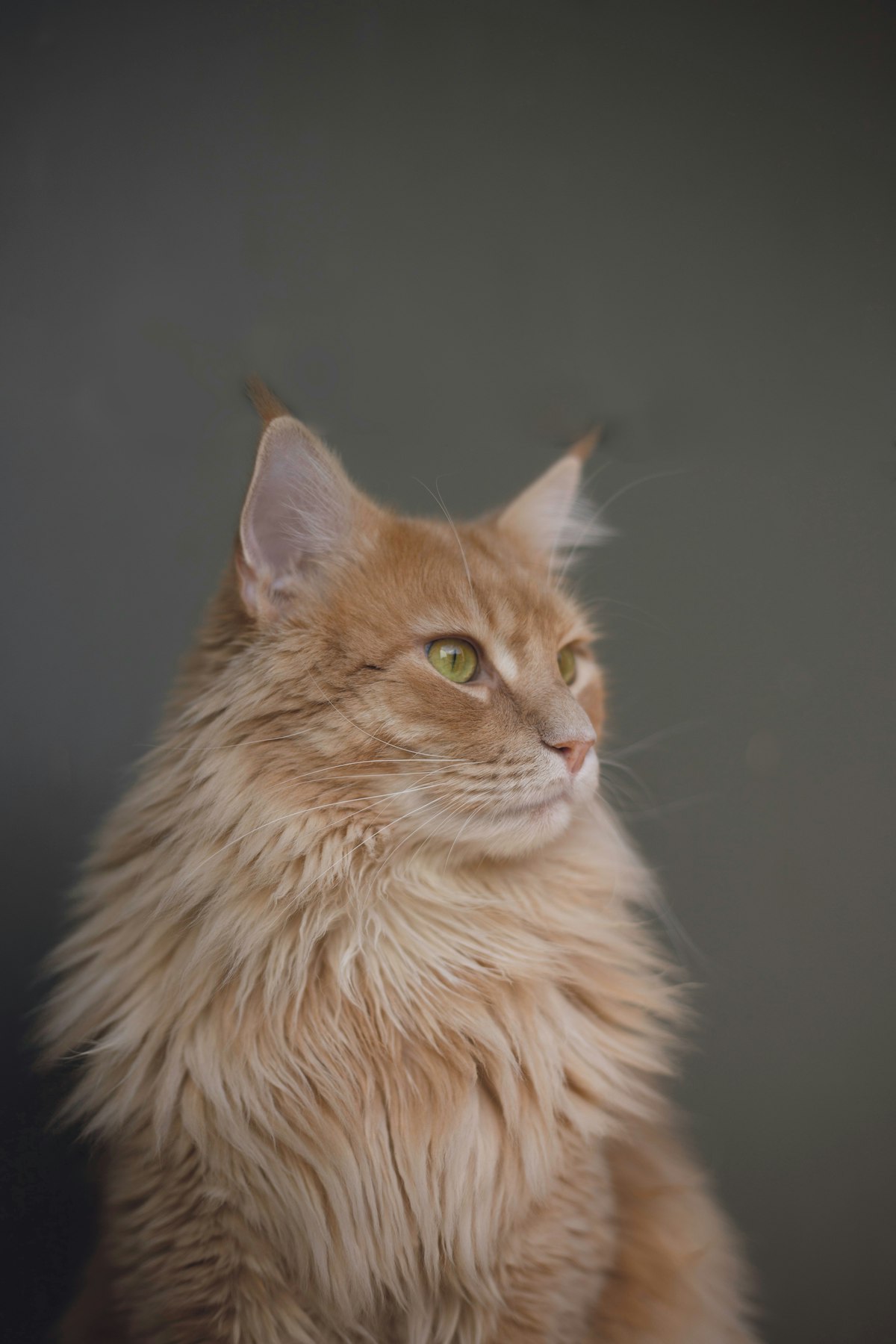
One plant. One chemical compound. A reaction so reliable and so dramatic that it has puzzled scientists for decades. Here is the complete, honest answer to why cats go absolutely wild for catnip.
Cats like catnip because of a chemical compound called nepetalactone, found in the plant's leaves and stems. When a cat inhales it, nepetalactone binds to receptors in their nasal tissue, triggering a chain reaction through the brain's olfactory bulb, amygdala, and hypothalamus. The result mimics a cat's natural response to sex pheromones — producing about 10 minutes of rolling, rubbing, vocalising, and playful behaviour. Around 50–70% of cats respond to catnip; the rest inherit a genetic variation that makes them unresponsive. Catnip is non-addictive and safe for cats in normal amounts.
There are things cats do that seem completely random until you understand the biology behind them. Knocking objects off surfaces, sitting in boxes, spending half the day grooming — each of these has a specific explanation rooted in feline instinct, sensory biology, or evolutionary history. Catnip is no different, except the reaction is so dramatic and so consistent that it demands a more thorough explanation than most sources provide.
You drop a catnip toy in front of your cat and within seconds they're rolling, rubbing their face on it, vocalising, and generally behaving in a way you've never seen from them over anything else. Ten minutes later they walk away, apparently disinterested, and won't go near it for the next hour. What just happened? What triggered it? Why do some cats do this while others completely ignore the same toy? And is the plant actually doing something to their brain, or is it just a strong smell they happen to like?
The answers are more interesting than you might expect, and understanding them changes how you think about and use catnip with your cat. This article covers the complete picture — from the chemistry of the plant to the neurological pathway it activates, from why some cats are genetically immune to why wild big cats have the same reaction as your house cat, and from the evolutionary reason the plant produces nepetalactone in the first place to the practical advice for using it most effectively.
What Is Catnip?
Catnip is the common name for Nepeta cataria, a perennial herb belonging to the mint family (Lamiaceae). Native to Europe and Asia, it has been naturalised across North America and grows readily in a wide range of climates. The plant produces small white or pale lavender flowers and light-green serrated leaves that have a distinct minty, earthy scent when brushed or crushed.
Humans have used catnip for centuries. Catnip's leaves have been used to make tea, and the flowers are said to relieve coughs. It's also a main ingredient in some natural bug sprays. In traditional herbal medicine, catnip was used as a mild sedative and digestive aid. As an insect repellent, it turns out to be surprisingly effective — a fact that has an important connection to why cats react to it, which we'll come to shortly.
For cats, however, the plant's significance lies entirely in one specific compound: nepetalactone. This is the volatile oil produced in tiny microscopic bulbs on the surface of catnip leaves and stems. When those bulbs are bruised or broken — by a cat chewing, rolling on, or batting the plant — nepetalactone releases into the air. The cat then inhales it, and what follows is one of the most remarkable chemical responses in any companion animal.

Catnip is a member of the mint family. The nepetalactone that causes the cat response is concentrated in microscopic bulbs on the surface of its leaves and stems.
The Compound Behind the Reaction: Nepetalactone
Nepetalactone is a volatile iridoid — a class of naturally occurring chemical compounds produced by many plants as part of their chemical defence systems. It's classified as volatile because it readily evaporates at room temperature, releasing into the air whenever the plant tissue is disturbed. Nepetalactone and its isomers make up 70–99% of the essential oil that can be obtained from the catnip plant.
Structurally, nepetalactone is similar to the chemical compounds that cats use as pheromones — the scent-based signalling molecules that regulate social behaviour, territory marking, and reproductive signalling in felines. This structural similarity is thought to be the core reason for the intensity of the cat response: the brain receives a signal that resembles a natural pheromone, and responds accordingly.
Critically, nepetalactone only triggers the response through smell, not taste. A cat that eats catnip without smelling it first — which rarely happens in practice — would not experience the dramatic rolling and vocalising response. The compound must be inhaled and bind to nasal receptors to set off the neurological chain reaction. This is why the catnip response starts with the cat sniffing: the smell is the trigger, and everything that follows is its consequence.
- What it is: A volatile iridoid compound in the essential oil of Nepeta cataria
- How it's released: When the plant is bruised, crushed, chewed, or otherwise damaged
- How it affects cats: Inhaled through the nose; binds to nasal receptors; triggers neurological response
- Why the reaction happens: Structurally similar to feline sex pheromones — brain responds as if to a pheromone signal
- How long it lasts: Approximately 10 minutes of active response
- Refractory period: 30–60 minutes of non-response after the effect wears off
How Catnip Works in a Cat's Brain — Step by Step
The neurological pathway from catnip smell to rolling-on-the-floor behaviour involves a specific sequence of events in the cat's nervous system. Scientists have a pretty good idea of the general steps involved, though the exact mechanism through which the response is caused still isn't precisely known. Here's what the research has established.
The Behaviours Cats Show With Catnip — and What Each Means
The catnip response produces a recognisable cluster of behaviours that are consistent enough across cats that researchers use them as a standardised behavioural marker. Understanding what each behaviour represents in the context of the neurological response helps make sense of why the reaction looks the way it does.
Rolling and body rubbing
The most iconic catnip behaviour. Cats roll onto their backs and sides, rubbing their head, cheeks, and body against the catnip source. This spreads the nepetalactone scent further across their body and stimulates more receptors — essentially extending and intensifying the response.
Cheek and chin rubbing
Cats rub their cheek glands and chin specifically on catnip. These are the same glands they use for scent marking familiar objects. The behaviour mirrors how cats mark territory and familiar individuals — suggesting the catnip response is triggering instinctive affiliative marking behaviour.
Vocalising and trilling
Many cats produce unusual sounds during the catnip response — chirps, trills, and sometimes louder vocalisations. These are associated with heightened arousal states and are similar to sounds cats make in situations of intense interest or reproductive behaviour.
Drooling
Some cats drool noticeably during the catnip response. This appears to be a direct consequence of the heightened neurological arousal state rather than a digestive response to eating the plant. Not all cats drool — individual variation is significant.
Jumping and playful aggression
Some cats become hyperactive and playfully aggressive during the catnip response, batting at toys or the catnip source with more intensity than usual. The heightened state mimics hunting arousal, making play more energetic and predatory in character.
Zoning out / staring
At the other end of the spectrum, some cats simply stare blankly for a period during the catnip response. This represents a deeply relaxed state — the brain is flooded with stimulation from the nepetalactone signal and the outward presentation is calm rather than active.
Why Do Cats Like Catnip So Much? Why the Reaction Is So Intense
The intensity of the catnip response is partly explained by what nepetalactone mimics at the neurological level, and partly by the cat's extraordinarily sensitive olfactory system compared to ours.
Cats have roughly 200 million odour-sensitive cells in their noses, compared to around 5 million in humans. Their olfactory system is, by design, far more powerful than ours — it drives much of how they navigate, identify individuals, and assess safety in their environment. When a compound with the structural properties of nepetalactone enters that highly sensitive system and triggers a pheromone-like response, the effect is proportionally more intense than any similar olfactory stimulus in a less smell-oriented species.
The pheromone-mimicry aspect matters particularly because pheromone responses in cats aren't subtle. Cats don't respond to sex pheromones with mild interest — they respond with full-body behavioural changes that affect arousal, movement, and mood significantly. Nepetalactone apparently activates these same pathways. The cat isn't casually enjoying a nice smell. Their brain is receiving a signal that their hardwired response systems treat as highly significant.
"Catnip affects approximately two-thirds of domestic cats and many wild felid species including lions, tigers, and ocelots, inducing playful actions such as rolling over, cheek rubbing, and pawing." — Science Advances, PMC
There's also a behavioural reinforcement dimension. The 10-minute high followed by the refractory period means that catnip is experienced as an intense but time-limited event. This pattern — intense stimulus, clear endpoint, recovery period — is actually characteristic of experiences that animals find particularly salient and rewarding. The cat doesn't just like catnip in the moment; they appear to remember and seek it out in future encounters, which suggests the experience registers as genuinely positive in their memory.
Redirect Your Cat's Catnip Energy Into Play
Catnip activates your cat's hunting instincts. The Rojeco 2-in-1 Smart Cat Toy pairs that energy with automatic feather and ball motion across 5 modes — turning catnip-sparked arousal into proper play sessions.
The Problem: Why Some Cats Don't React to Catnip at All
This is the part that confuses and sometimes worries cat owners: they bring home a catnip toy, their cat sniffs it once and walks away, and they wonder whether something is wrong with their cat — or with the catnip. The answer is neither. It's genetics.
Around 70 percent of cats are affected by catnip, and sensitivity to the plant is an inherited trait. Other estimates, including those from Bulverde Animal Hospital, put the responsive range at 50–70% of adult cats. The specific genetic mechanism isn't fully characterised, but the evidence for inheritance is clear — cats either have the right receptor configuration to respond to nepetalactone, or they don't.
This isn't a deficiency or a problem. A cat that doesn't respond to catnip is not missing out on something essential to their wellbeing. They simply lack the specific receptor sensitivity that makes nepetalactone's pheromone-like signal meaningful to their brain. Their olfactory system is perfectly functional in every other way.
There's no way to test in advance whether a specific cat will be catnip-responsive before they're old enough. The only way to find out is to try — and if the cat shows no interest, move on to catnip alternatives (covered below) rather than persistently offering something that has no effect on this particular animal.
Why Kittens and Senior Cats Respond Differently
Kittens under 6 months
Kittens under three to six months old typically don't respond to catnip. Their brains need time to develop the receptors that detect nepetalactone. In fact, very young kittens sometimes show an aversion to catnip — actively moving away from it — which is the opposite of the adult response. This aversion is thought to be a protective mechanism, as young kittens haven't yet developed the neurological framework to process the pheromone-like signal appropriately.
This means that if you have a kitten and want to know whether they'll be catnip-responsive as an adult, you'll need to wait until they're at least six months old before testing. Before that age, the non-response is developmental, not genetic — it tells you nothing about whether the cat will respond once their brain matures.
Senior cats
Many older cats show a progressively reduced response to catnip compared to their younger selves. This appears to be a general consequence of sensory sensitivity declining with age — the same olfactory receptors that detect nepetalactone become less reactive over time. A senior cat that was previously an enthusiastic catnip responder might show a milder, briefer reaction, or eventually stop responding altogether. This is normal and doesn't indicate a health problem.
Does Catnip Affect Wild Cats Too?
Yes — and this is one of the most compelling pieces of evidence that the catnip response is deeply hardwired into feline biology rather than being a peculiarity of domestic cats.
Research documented in the journal Science and in the PMC/NCBI database has confirmed that lions, tigers, leopards, jaguars, ocelots, bobcats, lynxes, and other wild felid species show the same rolling, rubbing, and vocalising response to catnip and related compounds that domestic cats do. Researchers tested one leopard, two lynxes, and two jaguars living in Japan's Tennoji and Oji zoos. Big or small, the felines surrendered to the substance, rubbing their heads and bodies in the patches for an average of 10 minutes.
This is significant for two reasons. First, it tells us the nepetalactone response predates the domestication of cats — it's not something that developed as a result of cats living with humans. Second, it confirms that the underlying biology (the specific receptor configuration that makes nepetalactone's signal meaningful) evolved in the common ancestor of all modern felids, long before the domestic cat branch of the family tree split off.
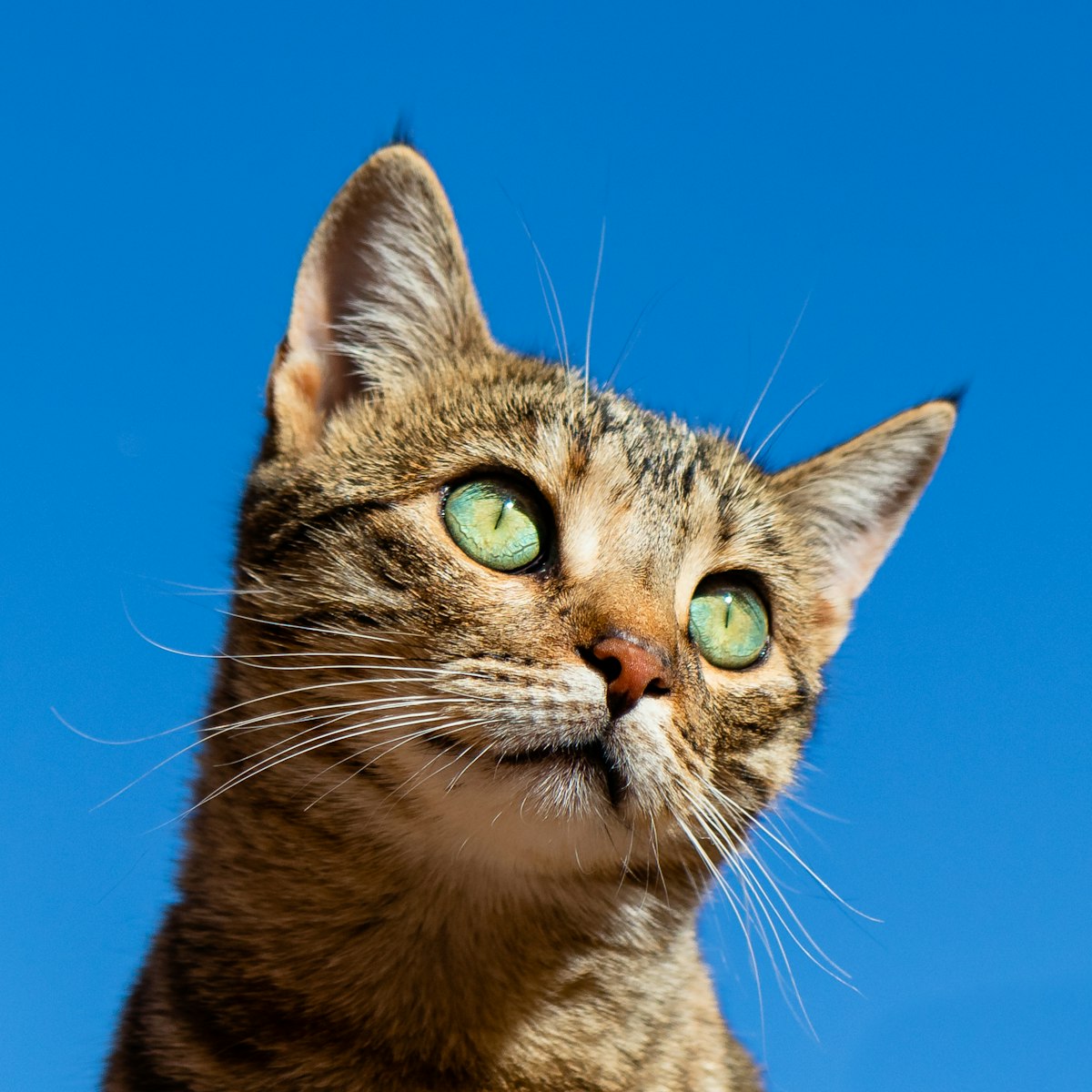
The catnip response activates the same neurological pathways as hunting arousal — which is why catnip play sessions look so much like predatory play.
Why the Plant Produces Nepetalactone — The Evolutionary Twist
Here's one of the most counterintuitive facts about catnip: the plant doesn't produce nepetalactone to attract cats. That's a completely accidental consequence. The plant produces it to repel insects.
Most likely, the adaptive function of nepetalactones in Nepeta is to protect against herbivorous insects, not to stimulate cats. Notably, nepetalactones can repel insects with efficiencies comparable to the synthetic repellent N,N-diethyl-meta-toluamide (DEET).
Research published in Science Advances used comparative genomics to trace the evolutionary history of nepetalactone production in the Nepeta genus. The findings revealed that iridoids are present in many Lamiaceae species but were lost in the ancestor of the Nepetoideae, the subfamily containing Nepeta. The results of these investigations revealed mechanisms for the loss and subsequent re-evolution of iridoid biosynthesis in the Nepeta lineage.
In plain terms: the catnip plant's ancestor lost the ability to produce iridoids (the class of compounds nepetalactone belongs to), but the Nepeta genus independently re-evolved that ability through a different biochemical pathway. The specific compound that resulted — nepetalactone — happened to have a structure similar to feline pheromones. Cats' response to it is an accident of chemistry. The plant couldn't care less about cats; it's trying to deter aphids.
This evolutionary story adds an important layer to the "why do cats like catnip so much" question. The answer is partly that nepetalactone's chemical structure accidentally resembles something cats are wired to respond intensely to. The plant produced a pest repellent. Cats got a recreational drug by accident. Biology is occasionally very funny.
Catnip Alternatives for Non-Responsive Cats
If your adult cat shows no response to catnip, several alternative plants produce similar but distinct neurological responses in cats, and many non-responsive-to-catnip cats respond enthusiastically to one or more of these.
Silvervine (Actinidia polygama): A Japanese plant that contains two iridoid compounds — nepetalactol and actinidine — that trigger the catnip-response behaviour. Research published in BMC Veterinary Research found that silvervine actually triggers a stronger and longer response in more cats than catnip does, and specifically works in some cats that don't respond to catnip at all. If your cat ignores catnip, silvervine is the first thing to try.
Valerian root (Valeriana officinalis): Contains actinidine, the same compound found in silvervine. Produces a catnip-like response in many cats, though the smell is considerably stronger and less pleasant to humans than catnip. Effective for cats that don't respond to catnip, particularly those from lines that seem to resist most cat-attractant plants.
Tatarian honeysuckle (Lonicera tatarica): The wood shavings and sawdust from this plant contain dihydronepetalactone, a close chemical relative of nepetalactone. Cats roll in and rub against tatarian honeysuckle similarly to catnip. This is why some commercial "catnip" toys use honeysuckle rather than actual Nepeta cataria.
Cat thyme (Teucrium marum): A Mediterranean plant that triggers catnip-like responses in some cats. Less widely available than the above alternatives, but worth trying with particularly resistant cats. The scent is quite strong and herby.
Every Cat Needs a Safe Retreat After Playtime
After a catnip play session, cats need a secure, enclosed space to settle down in. A cat tunnel bed provides the private, den-like retreat that helps cats decompress and feel genuinely safe.
Catnip vs. Alternatives: Full Comparison
| Plant | Active compound | % of cats that respond | Response duration | Safe for cats? | Best for |
|---|---|---|---|---|---|
| Catnip (Nepeta cataria) | Nepetalactone | 50–70% | ~10 minutes | Yes | Most cats; widely available; standard choice |
| Silvervine (Actinidia polygama) | Nepetalactol + actinidine | ~75–80% | 10–15 minutes | Yes | Non-catnip responders; stronger response |
| Valerian root (Valeriana officinalis) | Actinidine | ~50% | 5–10 minutes | Yes | Cats unresponsive to catnip; strong smell |
| Tatarian honeysuckle | Dihydronepetalactone | ~50% | 5–10 minutes | Yes (wood only) | Variety; found in some commercial toys |
| Cat thyme (Teucrium marum) | Unknown iridoid | ~30% | Variable | Yes | Very resistant cats; less commonly available |
Is Catnip Safe? What You Need to Know
Catnip is safe for cats. It is not toxic, it is not addictive in any meaningful sense, and it does not produce harmful effects in normal use. This is well-established across veterinary consensus — the ASPCA does not list catnip as toxic to cats, and every major veterinary source covering this topic confirms its safety.
A few specific points worth knowing:
It is not addictive. The refractory period — the 30–60 minute window after exposure where the cat shows no interest — is a built-in reset that prevents repeated compulsive seeking behaviour. Cats don't show the tolerance build-up, withdrawal symptoms, or compulsive seeking behaviour that characterises genuine addiction in mammals. They enjoy catnip when offered and largely ignore it during the refractory period.
Eating catnip is fine, but produces a different effect. When cats eat rather than smell catnip, it acts as a mild digestive relaxant rather than triggering the neurological excitement response. Some cats eat small amounts of catnip during a session without any adverse effects. Very large quantities consumed at once might cause mild digestive upset — loose stools, vomiting — but this is unusual and self-limiting.
Frequency matters for effectiveness. Daily catnip exposure reduces the intensity of the response over time. This isn't addiction or tolerance in the clinical sense — it's receptor desensitisation, the same mechanism that makes any repeated sensory stimulus less novel over time. To keep catnip sessions engaging, limit them to two or three times per week and store catnip products in a sealed container so the volatile nepetalactone doesn't dissipate.
Understanding catnip is one part of a broader understanding of how your cat experiences their environment — including the colours they respond to in their sleeping space, what genuinely keeps them entertained during the day, and the basics of responsible cat care that make a real difference to their wellbeing.
How to Use Catnip Well — Practical Tips
Getting the most from catnip — both for your cat's enjoyment and for its longevity as a tool in your enrichment toolkit — comes down to a few practical principles.
- Store it sealed and away from light. Nepetalactone is volatile — it evaporates at room temperature. Catnip left in open dishes or in toys permanently on the floor loses its potency within days. Store unused catnip in a sealed glass jar or zipper bag, and keep toys in a sealed container between uses.
- Bruise it before use. Fresh or dried catnip releases most nepetalactone when the tissue is crushed or broken. Before a play session, crumble a small amount between your fingers or rub the catnip toy vigorously to release the volatile oil. This makes the session significantly more potent than simply placing undisturbed catnip in front of your cat.
- Use it as a training and enrichment tool. Rub catnip on a new scratching post, a tunnel bed, or a toy your cat is ignoring. The positive association the catnip creates around the new object helps establish it as appealing in the cat's mind, even after the catnip effect has worn off.
- Limit frequency for best effect. Two to three sessions per week is the practical guideline used by most cat enrichment specialists. Daily exposure dulls the response; spacing sessions keeps the reaction strong and the experience genuinely enriching rather than routine.
- Use play sessions alongside catnip. The catnip response activates the same neurological systems as hunting arousal. Combining catnip with a wand toy or interactive play during the active 10-minute window creates one of the most engaging enrichment experiences a cat can have. The arousal amplifies the play; the play gives the arousal a meaningful outlet.
- Try alternatives if catnip fails. If your cat has shown consistent non-response to catnip across multiple sessions and a fresh supply, they're likely in the non-responsive 30–50%. Try silvervine first — it works in many catnip-resistant cats and produces an equally strong response in those that do respond.
Frequently Asked Questions
Cats like catnip so much because nepetalactone — the volatile compound catnip releases — activates the same neurological pathways as feline sex pheromones. The chemical is structurally similar to natural pheromone compounds, so when a cat inhales it, their brain receives a signal it interprets as highly significant. Combined with cats' extraordinarily sensitive olfactory system (approximately 200 million scent-detecting cells compared to 5 million in humans), the result is an intense 10-minute behavioural response that mimics reproductive and arousal states. The intensity reflects how powerfully the cat's olfactory and limbic systems respond to pheromone-like signals.
If your adult cat shows no response to catnip, they're almost certainly in the 30–50% of cats that are genetically non-responsive. Sensitivity to nepetalactone is an inherited trait — cats either have the right receptor configuration to respond to the compound, or they don't. This is not a health problem or a deficiency. A non-responsive cat's olfactory system functions perfectly in every other way; they simply lack the specific receptor sensitivity that makes nepetalactone's pheromone-like signal meaningful. Try silvervine, valerian root, or tatarian honeysuckle as alternatives — many catnip-resistant cats respond to these, which use different but related active compounds.
Yes — catnip is safe for cats and non-toxic. The ASPCA does not list it as a toxic plant for cats or dogs. It is not addictive: the built-in refractory period (30–60 minutes of non-response after each session) prevents the tolerance build-up and compulsive seeking behaviour that characterise genuine addiction. Eating small amounts of catnip causes no harm; very large quantities might cause brief, mild digestive upset. The only practical caution is frequency — daily exposure gradually reduces the intensity of the response, so limiting sessions to two or three times per week keeps catnip effective as an enrichment tool.
The active catnip response — the rolling, rubbing, vocalising, and heightened arousal — lasts approximately 10 minutes. After that, the cat enters a refractory period of roughly 30–60 minutes during which they show no response to catnip even if it's presented again. This refractory period is a built-in neurological reset — the receptors that were activated by nepetalactone need time to return to their baseline state. After the refractory period ends, the cat is fully responsive again. The total cycle from first exposure to full reset is typically around 45–90 minutes depending on the individual cat.
Kittens under approximately six months of age typically don't respond to catnip — and very young kittens may actually show aversion to it. This is a developmental issue, not a genetic one: their brains haven't yet developed the receptor maturity needed to process nepetalactone's signal as the pheromone-like stimulus it represents. Wait until the kitten is at least six months old before testing for catnip sensitivity. After six months, you can offer a small amount of fresh or dried catnip to see whether this particular cat inherited the responsive gene. Catnip is safe in small amounts for cats of all ages, but the psychoactive response only occurs in kittens once neurological development reaches the appropriate stage.
Catnip's active compound, nepetalactone, binds to olfactory receptors in the cat's nasal tissue and triggers a signal that travels through the olfactory bulb to the amygdala (emotional response centre) and hypothalamus (behavioural response centre). Because nepetalactone's chemical structure resembles feline sex pheromones, these brain regions respond as if the cat has encountered a pheromone signal — producing heightened arousal, mood elevation, and the characteristic rolling and rubbing behaviours associated with reproductive and affiliative responses. The experience is often compared to a brief, mild euphoric state. Importantly, it only works via smell: eating catnip without smelling it first produces a relaxant effect rather than the arousal response.
Yes — lions, tigers, leopards, jaguars, ocelots, bobcats, and lynxes all show the same rolling, rubbing, and vocalising response to catnip and related compounds that domestic cats do. This has been documented in controlled research settings including at Japanese zoos. The response predates cat domestication entirely and appears in the common ancestor of all modern felids. This confirms that the nepetalactone response is a deeply conserved feline neurological trait, not something specific to domestic cats or something that developed through human selection. The plant's chemical compound accidentally resembles feline pheromones, and all cats — regardless of size or wild status — are susceptible to it.
Silvervine (Actinidia polygama) is the best first choice for cats that don't respond to catnip. Research shows that silvervine works in approximately 75–80% of cats — a higher response rate than catnip — and specifically triggers a response in some cats that are non-responsive to nepetalactone. The active compounds in silvervine (nepetalactol and actinidine) activate similar but not identical neurological pathways to catnip, which explains why some cats respond to one and not the other. Valerian root and tatarian honeysuckle are also effective alternatives for cats resistant to catnip, and trying each in sequence will identify which plants your specific cat responds to.
The Bottom Line
Why do cats like catnip? Because one compound — nepetalactone — accidentally resembles feline sex pheromones closely enough to trigger the same neurological response, and cats' extraordinarily sensitive olfactory systems respond to that pheromone-like signal with a full-body behavioural reaction. The 10-minute high, the refractory period, the rolling and rubbing and vocalising — it's all a consequence of a plant that evolved to repel insects accidentally producing something that looks like a pheromone to a cat's brain.
Whether your cat is in the enthusiastic majority that loves catnip, the genetics-unlucky minority that ignores it entirely, or somewhere in between, there's a path to enrichment here. Catnip works brilliantly for responsive cats as a play trigger and enrichment tool. Silvervine, valerian, and honeysuckle cover the non-responsive cases. And understanding the underlying science changes how you use these tools — which is ultimately what leads to better play sessions and a more enriched, happier cat.
Give Your Cat Something Worth Exploring
Catnip activates hunting instincts. Channel that energy into real play. Browse the Fitt-Porium cat collection — interactive smart toys, enclosed sleeping spaces, and everything your cat needs to live well indoors.
Shop the Cat Collection →