

All the warmth, comfort, and complexity of a proper chai latte — minus the caffeine that keeps you awake at midnight or makes your heart race by 10 a.m.
A decaf chai latte is a spiced, creamy latte made with either decaffeinated black tea or a naturally caffeine-free tea base like rooibos, combined with warm spices — cinnamon, cardamom, ginger, cloves, and black pepper — and steamed milk. It delivers the full flavour profile of traditional masala chai without caffeine. It's safe to drink at any time of day, suitable during pregnancy, and ideal for anyone who is caffeine-sensitive or simply wants a warming evening drink.
You know the feeling. You want something warm and comforting and a little indulgent — the kind of drink that makes sitting down feel like an event. Chai is perfect for that. The spice, the creaminess, the depth. Except it's 8 o'clock in the evening and you know that a regular chai latte right now means lying awake at midnight, staring at the ceiling, reviewing every life decision you've ever made.
That's the decaf chai latte problem in a nutshell. Or rather, it's the problem a decaf chai latte solves. Because here's what a lot of people don't realise: the soul of a chai latte — all those warm, complex, aromatic spices — has nothing to do with caffeine. The caffeine in traditional chai comes from the black tea base. Remove or replace the tea, and you keep everything that actually makes chai great.
This guide covers the full picture. What a decaf chai latte actually is, where chai comes from, why caffeine is such a problem for so many people, what your decaf options are, which spices do what, how to make it at home from scratch, and what to look for if you want a concentrate shortcut. By the end, you'll have everything you need to make — or order — a decaf chai latte that genuinely satisfies the same craving a regular chai does.
What Exactly Is a Decaf Chai Latte?
A decaf chai latte is a chai latte made without the caffeine that comes from standard black tea. Every other element stays the same: the spice blend, the milk, the sweetener, the froth on top if you want it. The only thing that changes is the tea base — or in the case of some versions, you skip the tea entirely and let the spices carry the whole drink.
Chai latte itself is a Western adaptation of masala chai, the traditional spiced tea that's been drunk across the Indian subcontinent for centuries. The word "chai" simply means tea in Hindi — so "chai tea" is technically redundant, though everyone says it — and "masala" refers to the blend of spices that defines the drink. When masala chai arrived in Western coffee culture, it was adapted into a latte-style drink: less concentrated than the original, more milk, usually sweetened, and served in coffee-shop sizes.
The decaf version follows the same path, just with the caffeine removed from the equation. You get the warmth of cinnamon, the zing of ginger, the floral complexity of cardamom, the depth of cloves, the subtle heat of black pepper — all of it suspended in creamy, slightly sweet milk. The result is one of the most satisfying caffeine-free beverages you can make.
The Origins of Chai — and How It Became a Latte
Understanding where chai comes from helps explain what the decaf version is trying to preserve — and why it succeeds or fails depending on how carefully it's made.
Masala chai originated as part of Ayurvedic practice in India, the ancient system of medicine that uses food, herbs, and lifestyle as health tools. The spice blend wasn't chosen arbitrarily — ginger was valued for digestion, cardamom for respiratory support, black pepper for circulation, cinnamon for warmth and blood sugar regulation, and cloves for their antimicrobial properties. The black tea base came later, after the British introduced tea cultivation to India in the 1800s, and it became the standard base because its tannins and body balanced the intensity of the spice blend beautifully.
The Western chai latte is a softer version of this: more milk, less tea intensity, usually sweeter, and standardised into the consistent format that coffee shops can reproduce reliably. When Starbucks popularised the chai latte in the 1990s using a pre-made concentrate, it completed the transformation from traditional spiced tea to the modern latte format most people know.
The decaf chai latte is the latest evolution in this lineage — the answer to "I love this drink, but I can't have caffeine." And unlike many decaf versions of caffeinated drinks (decaf espresso, for example, where the caffeine is often a significant part of why the drink tastes the way it does), decaf chai latte genuinely stands on its own. The flavour comes from the spices, not from the tea or the caffeine.
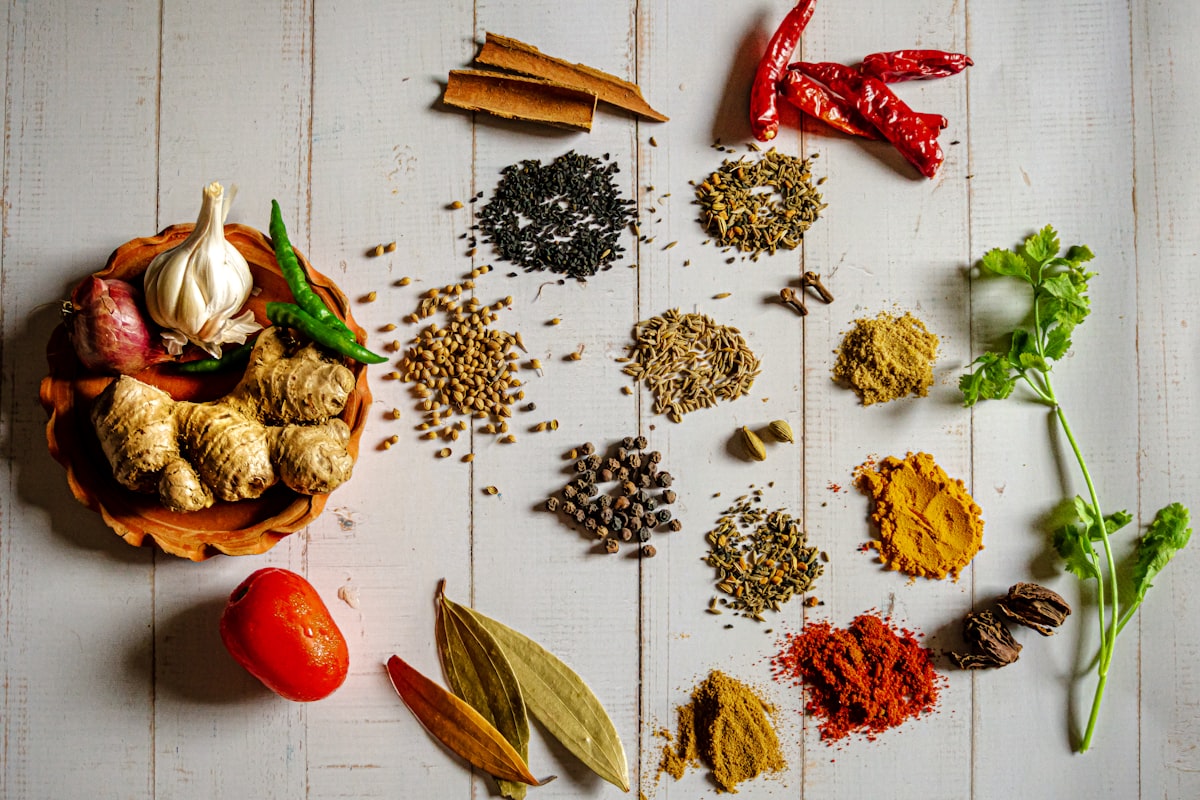
The spice blend is the heart of any chai latte. In a decaf version, these spices carry the entire drink.
The Caffeine Problem: Why So Many People Can't Drink Regular Chai
Caffeine is a genuinely complicated substance for a significant portion of the population, and understanding why helps you appreciate what a well-made decaf chai latte actually solves.
A standard chai latte — the kind you order at a coffee shop — typically contains between 25 and 55 milligrams of caffeine per 8-ounce serving, depending on how the black tea was brewed and concentrated. That's roughly half the caffeine of a cup of coffee, which puts it in the "moderate" category. For most healthy adults with no particular caffeine sensitivity, this is manageable. But for several specific groups, even that moderate amount is genuinely problematic.
Pregnancy and breastfeeding
Current guidance from most health organisations, including the NHS and the American College of Obstetricians and Gynecologists, recommends limiting caffeine to 200 milligrams per day during pregnancy. That sounds like plenty — until you factor in that many pregnant women are already consuming caffeine from other sources (chocolate, certain soft drinks, even some medications), and that individual sensitivity to caffeine increases significantly during pregnancy. A chai latte might consume 25% of the daily recommended allowance in a single cup. For many pregnant women, eliminating caffeinated drinks entirely is simply the less complicated choice — and decaf chai latte fills that gap perfectly.
Anxiety and sleep disorders
Caffeine works by blocking adenosine receptors in the brain — adenosine is the chemical that makes you feel tired, and blocking its receptors keeps you alert. For people with anxiety disorders, this mechanism also amplifies anxious arousal, increasing heart rate and the physical sensations of anxiety. For people with insomnia or disrupted sleep, caffeine consumed even in the mid-afternoon can meaningfully delay sleep onset and reduce deep sleep. The standard advice to cut off caffeine by 2 p.m. applies to chai lattes as much as coffee.
Heart conditions and medication interactions
Certain heart conditions and medications interact with caffeine in ways that make even moderate consumption inadvisable. People on blood thinners, certain antidepressants, thyroid medications, and other drugs may need to limit or eliminate caffeine on medical advice. For these individuals, finding genuinely satisfying caffeine-free hot drinks is a real quality-of-life issue — and decaf chai latte is one of the best solutions available.
Simple sensitivity
A large portion of people who describe themselves as "sensitive to caffeine" experience jitteriness, heart palpitations, headaches, or significant sleep disruption from amounts that others tolerate easily. This variation is largely genetic — the CYP1A2 gene determines how quickly the liver metabolises caffeine, and slow metabolisers can feel the effects of moderate caffeine for six to twelve hours. For these people, an afternoon chai latte can genuinely disrupt sleep, and decaf is the practical solution.
"The best thing about decaf chai is that you don't lose anything that actually matters. The spices are the story — the tea is just the vehicle. Change the vehicle, keep the story."
Skip the Spice-Sourcing and Start Sipping Today
Making decaf chai from scratch takes time and a well-stocked spice cupboard. A good decaf chai concentrate gives you the same result in about two minutes — any time of day, any milk you like, no effort.
Decaf Chai vs. Regular Chai: What Actually Changes?
The honest comparison between decaf and regular chai is more nuanced than most articles let on. Let's look at it directly.
Flavour: With a good decaf chai, the flavour difference is minimal to none. The distinctive taste of chai comes from the spices — cinnamon, cardamom, ginger, cloves, black pepper. These are entirely unaffected by removing caffeine. What you might notice with a poorly made decaf version is a slightly thinner body if the tea base has been replaced with a lighter option, or a slightly different earthiness if rooibos is used instead of black tea. But done well — particularly with a good quality chai spice blend or concentrate — decaf chai is indistinguishable from the caffeinated version to most people.
Caffeine content: Regular chai latte from black tea: 25–55mg per 8 oz. Decaf chai from decaffeinated black tea: around 2–5mg per 8 oz (trace caffeine always remains after decaffeination). Decaf chai from rooibos: 0mg. If you need to be genuinely caffeine-free — not just low-caffeine — rooibos is the base to choose.
Health benefits: Arguably, decaf chai retains more of the health benefits associated with the drink than people expect. The antioxidant, anti-inflammatory, and digestive properties of chai come from the spice blend, not from the caffeine or even primarily from the black tea. Cinnamon's blood sugar effects, ginger's anti-nausea properties, cardamom's digestive support — all of these remain fully intact in a decaf version. Rooibos-based decaf chai adds its own antioxidant profile on top of the spices.
The Minimalist Baker's caffeine-free chai mix approach — using the full spice blend without any tea base — is a good illustration of this principle. She developed the recipe specifically to avoid caffeine, and describes the result as capturing all the magic of the original drink. Her recipe, rated 4.84 out of 5 from 169 votes, demonstrates that the spice blend is genuinely the heart of the experience.
The Spices That Make Chai a Chai — Even Without the Tea
Every ingredient in a classic chai spice blend serves a purpose — both for flavour and, in the Ayurvedic tradition from which chai originates, for function. Understanding what each spice contributes helps you adjust and appreciate decaf chai at a deeper level.
Cinnamon
The dominant flavour in most chai blends. Adds warmth, sweetness, and body. Cassia cinnamon (the common supermarket variety) has a bolder, spicier profile than Ceylon. Research suggests cinnamon may help regulate blood sugar responses. It's the spice that makes chai feel immediately comforting.
Cardamom
The most distinctive spice in chai — floral, slightly citrusy, intensely aromatic. No other spice accurately substitutes for it. Cardamom is the flavour that makes chai taste uniquely like chai rather than just a spiced drink. It's a natural breath freshener and has been used traditionally to support digestion.
Ginger
Adds heat, zing, and depth. Fresh ginger produces a brighter, more intense heat than ground ginger. Both work well but differently — ground ginger integrates more smoothly into a dry spice mix, while fresh ginger gives a more vivid, lively warmth. Ginger is one of the most research-supported spices for digestive support and nausea reduction.
Black pepper
Often the most surprising spice to newcomers. Adds a background heat that's different from ginger — drier, more pungent. Pepper's piperine compound enhances the bioavailability of other spices, making the whole blend more effective. Reduce the amount for a milder blend or increase for more bite.
Cloves
Intensely aromatic, warm, slightly medicinal. Cloves are high in eugenol, one of the most potent natural antioxidant compounds known. A little goes a long way — they can easily overpower a blend if used in excess. Their contribution to chai is depth and a slightly numbing, warming finish.
Nutmeg
Subtle and warm, used in smaller quantities. Nutmeg rounds the blend and adds a faintly sweet, slightly woody note that bridges cinnamon and clove. Optional in some recipes but contributes meaningfully to the overall complexity.
Your Decaf Base Options — and How to Choose
This is the choice that most determines your decaf chai latte experience, and most articles don't explain it clearly enough. You have three meaningful options.
Option 1: Decaffeinated black tea
If you want decaf chai to taste as close as possible to regular chai, decaffeinated black tea is your best base. The body, the tannins, the slight astringency — it's all there. The caffeine has been removed through one of several processes (more on this below), leaving the flavour largely intact. This is the right choice for anyone who loves traditional chai and simply needs to reduce caffeine without changing the experience.
When choosing decaffeinated black tea, look for the CO2 decaffeination method if you can find it. CO2 (supercritical carbon dioxide) extraction removes caffeine with minimal impact on flavour compounds. The solvent-based methylene chloride method is cheaper and more common but strips more flavour along with the caffeine. The Zeniatea guide on decaf chai notes that "the CO2 process best preserves flavor" — this is accurate and worth looking for on packaging.
One important caveat: even fully decaffeinated black tea retains trace caffeine — typically 2–5mg per cup. For most people this is inconsequential. For those who need to be strictly caffeine-free (certain medical conditions, pregnancy choices, extreme sensitivity), this trace amount matters and rooibos is the better choice.
Option 2: Rooibos (redbush tea)
Rooibos is a South African plant that produces a naturally caffeine-free tea with a slightly sweet, honey-and-vanilla-like flavour profile. It's not black tea — it tastes different — but it pairs excellently with the chai spice blend, and several people find they actually prefer it once they've tried it.
The benefits of rooibos as a chai base: completely caffeine-free (not decaffeinated — naturally contains none), high in its own antioxidants (aspalathin and nothofagin), naturally sweet which reduces the sweetener you need, and robust enough to hold up to steaming milk without disappearing. The drawback: it's noticeably different from traditional black tea-based chai, so if you're a chai purist who specifically loves the earthy, tannic quality of black tea, rooibos will taste like a variation rather than the original.
Option 3: Spice-only (no tea base)
This is the Minimalist Baker approach — skip the tea entirely and let the spice blend carry the drink in warm milk or plant-based milk. The result is genuinely delicious and naturally 100% caffeine-free. The flavour profile is slightly different (smoother, less tannic, more purely spice-forward) but equally satisfying in its own way. It's the purest expression of what the chai spice blend can do on its own.
This approach works particularly well with a decaf chai concentrate, where the spice blend has been carefully balanced and infused into a liquid base that you simply add milk to.
All Three Benefits in One Product
The Fitt-Porium decaf chai latte concentrate uses a carefully balanced spice blend with a decaf base — ready in minutes, customisable with any milk, and designed to taste like the real thing.
Health Benefits of Decaf Chai Latte
Decaf chai latte isn't a medical treatment, but the spice blend it's based on has a genuinely impressive evidence base for functional benefits. Here's what the research actually supports.
- Digestive support: Ginger has strong clinical evidence for reducing nausea, including morning sickness and chemotherapy-induced nausea. Cardamom has been used traditionally for acid reflux and bloating. Black pepper stimulates digestive enzymes. A decaf chai after a meal is a genuinely useful digestive aid, not just folk medicine.
- Anti-inflammatory properties: Cinnamon, cloves, and ginger all contain compounds with documented anti-inflammatory activity. Chronic low-grade inflammation underlies many common health conditions, and regularly consuming anti-inflammatory foods and spices has meaningful long-term effects.
- Antioxidant content: The spice blend in chai — particularly cloves, cinnamon, and cardamom — ranks among the most antioxidant-dense food substances known. Antioxidants neutralise free radicals that damage cells over time. Cloves specifically have one of the highest measured ORAC (oxygen radical absorbance capacity) scores of any food.
- Blood sugar regulation: Cinnamon has been studied for its effects on insulin sensitivity and blood sugar regulation, with some studies showing meaningful reductions in fasting blood glucose in people with type 2 diabetes. These effects don't appear at the trace amounts in a single cup, but regular consumption contributes to an overall dietary pattern that includes these compounds.
- Sleep support: By removing the caffeine while retaining the warming, comforting spice blend, decaf chai latte is genuinely conducive to relaxation in the evening. Ginger's warming properties and cardamom's calming aroma both contribute to the sense of settling down that makes it such a good bedtime drink.
- Pregnancy safety: The spice blend in chai is safe in food quantities during pregnancy. Removing the caffeine makes decaf chai a genuinely pregnancy-friendly warming drink — one of the few genuinely enjoyable alternatives to the tea and coffee that need to be limited.
How to Make a Decaf Chai Latte at Home
Making decaf chai from scratch takes about 10–15 minutes and produces a cup that beats most coffee shop versions for flavour depth and customisability. Here's the full method.
What you need
- 1 decaffeinated black tea bag or 1 teaspoon loose decaf black tea (or 1 rooibos tea bag)
- 240ml (1 cup) water
- 240ml (1 cup) milk of your choice
- 1 teaspoon chai spice blend (see proportions below) or 1–2 teaspoons pre-made concentrate
- Sweetener to taste: maple syrup, honey, or coconut sugar work well
Chai spice blend proportions (makes approximately 32 servings)
Combine in a small jar and shake well: 4 tablespoons ground cinnamon, 3 tablespoons ground ginger, 4.5 teaspoons ground cardamom, 1 tablespoon ground black pepper (reduce by half if you prefer milder), ¾ teaspoon ground nutmeg, ¾ teaspoon ground cloves. Stores in a sealed jar for up to 3 months.
Add your chai spice mix, sweetener, and warmed milk to a blender and blend briefly. The blending fully incorporates the spices rather than letting them settle, produces a beautiful froth, and gives you a more evenly flavoured cup throughout. This is especially worth doing with a spice-only (no tea base) decaf chai.

Frothed milk transforms a good spiced tea into a proper latte. Even a jar-shake froth makes a noticeable difference.
Hot vs. Iced Decaf Chai Latte
The decaf chai latte works equally well hot and iced — and the iced version is one of the most refreshing summer drinks you can make, particularly because the spices taste different when cold: brighter, more citrusy, with the cardamom especially coming forward.
Iced decaf chai latte
Brew your decaf tea double-strength (use twice the tea for the same water volume) to compensate for ice dilution. Add your spice blend and sweetener to the hot concentrate and stir until dissolved. Allow to cool completely — don't add ice while it's hot, which immediately dilutes and waters it down. Once cool, pour over a glass of ice and add cold milk of your choice. The Healthy Little Vittles approach of steeping in oat milk rather than water works particularly well for iced versions: steep two decaf chai tea bags in a cup of oat milk in the microwave, then add creamer and ice.
Adjusting for iced serving
Iced chai latte tolerates a slightly stronger spice level than hot versions because cold temperatures suppress flavour perception. If your spice blend tastes well-balanced in a hot cup, consider adding an extra 25–30% of the spice when making it iced. The sweetness level also needs to be slightly higher in cold versions for the same reason — cold drinks taste less sweet than hot drinks made with the same amount of sweetener.
Choosing Your Milk — The Guide That Actually Helps
The milk you choose significantly affects the flavour, texture, and overall experience of your decaf chai latte. Here's how the most common options actually perform.
Whole dairy milk: The traditional and most body-rich option. Produces the creamiest, most latte-like texture and the best natural froth. The fat content balances the spice heat beautifully. If you're not dairy-free, this produces the most satisfying result.
Oat milk: The most popular plant-based option for chai lattes, and the best overall plant-based milk for this application. Barista oat milk (specifically formulated to froth) produces excellent foam. Its subtle sweetness complements the spice blend without overpowering it. Several recipe authors — including Minimalist Baker — specifically favour oat milk for this drink.
Full-fat coconut milk: Rich, slightly sweet, and genuinely creamy. Adds a tropical note that works surprisingly well with cardamom and cinnamon. The fat content makes it froth less well but produces a luxurious texture. Excellent if you want a richer, more indulgent cup.
Almond milk: Lighter and slightly nutty. Works fine in chai lattes but tends to be thinner than oat or dairy. The nuttiness can complement the spice blend, but barista-style almond milk is much better for frothing than standard carton varieties.
Cashew milk: Creamy and mild — often the plant-based milk that tastes most like dairy in chai applications. Less widely available than oat or almond but worth trying if you want a neutral, creamy base.
Decaf Chai vs. Alternatives: Comparison Table
| Drink | Caffeine | Flavour profile | Safe in pregnancy? | Good for evenings? |
|---|---|---|---|---|
| Decaf chai latte (rooibos) | 0mg | Spiced, warm, slightly sweet, smooth | Yes | Ideal |
| Decaf chai latte (decaf black tea) | 2–5mg trace | Closest to traditional chai — spiced, tannic | Generally yes | Yes |
| Regular chai latte | 25–55mg | Spiced, tannic, earthy | Limit carefully | Not recommended |
| Regular coffee | 95–200mg | Bitter, roasted, bold | Limit carefully | Not recommended |
| Decaf coffee | 2–7mg trace | Bitter, slightly flat vs regular | Generally yes | Yes |
| Golden milk (turmeric latte) | 0mg | Earthy, peppery, mildly spiced | Yes | Yes |
| Hot chocolate | 5–10mg | Rich, sweet, chocolatey | In moderation | Generally yes |
| Matcha latte | 30–70mg | Grassy, creamy, slightly bitter | Limit carefully | Not recommended |
The Concentrate Shortcut — and What to Look For
Making decaf chai from scratch is rewarding but not always practical. A chai concentrate — a pre-made liquid that you mix with milk in a roughly 1:1 ratio — brings the drink to under two minutes preparation time with no measuring, no steeping, and no spice sourcing required.
The key is choosing a concentrate that actually delivers on the flavour and quality promises. Here's what to look for when evaluating any decaf chai latte concentrate.
Ingredient list honesty: A good concentrate lists real spices — cinnamon, cardamom, ginger, cloves, black pepper — near the top of the ingredient list. Sugar or corn syrup should not be the first or second ingredient. When the sweetener comes before the spices in the ingredient list, the product will taste like sweetened liquid first and chai second.
Decaffeination transparency: The concentrate should clearly state that it uses decaffeinated black tea, rooibos, or another caffeine-free base. Vague language like "tea blend" without specifying the caffeine status is a red flag if you need to be genuinely caffeine-free.
Sugar content: Chai concentrates vary enormously in sweetness. The best concentrates are moderately sweetened, allowing you to adjust by using more or less concentrate, or choosing a naturally sweet milk like oat to add additional sweetness. Very sweet concentrates are fine if you're using unsweetened nut milk but can be overwhelming with oat or dairy.
Mixing ratio: Most concentrates call for equal parts concentrate and milk. Some are designed to be more concentrated (use less) or less concentrated (use more). The mixing ratio affects how you experience both the spice level and the sweetness, so it's worth paying attention to rather than assuming 1:1 is always the right approach.
Frequently Asked Questions
A decaf chai latte is a spiced, creamy latte made with a caffeine-free or decaffeinated tea base and the traditional chai spice blend — typically cinnamon, cardamom, ginger, cloves, and black pepper — combined with steamed milk and a sweetener. It delivers all the warmth, complexity, and comfort of a traditional chai latte without the caffeine. The decaf base can be decaffeinated black tea (which retains trace caffeine of 2–5mg), rooibos (completely caffeine-free), or in some versions no tea at all — just the spice blend in milk.
With a good recipe or concentrate, a decaf chai latte tastes nearly identical to regular chai. The distinctive flavour comes from the spice blend — cinnamon, cardamom, ginger, cloves, and pepper — not from the caffeine or even primarily from the black tea. Decaf black tea produces the closest flavour match to regular chai. Rooibos-based decaf chai has a slightly sweeter, smoother profile that some people actually prefer. Spice-only versions (no tea base) are the most purely spice-forward and work very well in a milky latte format.
Yes — a decaf chai latte made with rooibos or a spice-only base is generally considered safe during pregnancy. The spices used in chai (cinnamon, cardamom, ginger, cloves, black pepper) are safe in food quantities, and rooibos is completely caffeine-free. Ginger is actually often recommended to help with pregnancy-related nausea. If using decaffeinated black tea, trace amounts of caffeine remain (typically 2–5mg per cup), which is well within safe daily limits. If you have any specific medical concerns, always check with your healthcare provider.
It depends on the base. A decaf chai latte made with rooibos contains 0mg of caffeine — rooibos is naturally caffeine-free and undergoes no decaffeination process. A decaf chai latte made with decaffeinated black tea typically contains 2–5mg of caffeine per 8-ounce cup — trace amounts that remain after the decaffeination process. For context, a regular chai latte contains 25–55mg, and a cup of coffee typically contains 95–200mg. If you need to be strictly caffeine-free, choose a rooibos-based or spice-only decaf chai.
Yes — iced decaf chai latte is excellent. Brew your decaf tea double-strength, add the spice blend and sweetener while hot, then allow to cool completely before pouring over ice and adding cold milk. Double-strength brewing is important because ice dilutes the drink as it melts. For the iced version, slightly increase the spice level and sweetener compared to a hot chai latte, as cold temperatures suppress flavour and sweetness perception. Oat milk works particularly well for iced decaf chai — its mild sweetness and smooth texture make it very refreshing.
The best milk for decaf chai latte depends on your preferences. For the creamiest, most traditional result, whole dairy milk is hard to beat. Among plant-based options, oat milk is the most popular and generally best-performing choice: barista oat milk froths well, its slight natural sweetness complements the spice blend, and its body is close to dairy milk. Coconut milk (full-fat) gives a richer, more indulgent result with a slight coconut note. Almond and cashew milk work well but tend to be thinner. Avoid homemade oat milk for hot versions — it doesn't heat well.
It depends on what you want the drink to taste like. Decaf black tea produces the closest flavour to traditional chai — the same earthiness, tannins, and body that black tea contributes to the classic drink. It's the right choice if you want decaf chai to taste as similar to regular chai as possible. Rooibos produces a slightly different drink: smoother, naturally sweeter, without the tannins, and completely caffeine-free (as opposed to trace-caffeine decaf tea). Many people who try rooibos chai end up preferring it. If you're new to decaf chai, try both and see which you find more satisfying.
Yes — a daily decaf chai latte is a completely reasonable habit for most people. The spice blend contributes antioxidants, anti-inflammatory compounds, and digestive support. The milk provides calcium and protein. Sweetener is the main consideration for daily consumption: if you're adding a tablespoon of maple syrup or honey to every cup, that adds up over time. Using a less sweet milk like oat or almond, or choosing a less sweet concentrate, keeps the daily habit nutritionally sensible. Many people use their daily decaf chai as a coffee replacement habit — one that supports rather than disrupts sleep.
The Bottom Line
A decaf chai latte isn't a compromise version of a real drink. It's a real drink in its own right — one that happens to be accessible to everyone who loves the warmth and complexity of chai but can't or doesn't want caffeine as part of the package.
The spice blend is everything. Cinnamon, cardamom, ginger, cloves, and black pepper carry the character of chai regardless of what tea base you use or don't use. Remove the black tea and the spices don't notice. Remove the spices and you don't have chai any more — you just have tea. Which is why a well-made decaf chai concentrate, or a batch of homemade spice mix, gives you the full experience every time.
Whether you make it with decaf black tea for the most traditional experience, rooibos for complete caffeine freedom, or a quality concentrate for a two-minute preparation on a busy morning — a decaf chai latte is one of the few genuinely satisfying caffeine-free hot drinks available. And unlike most decaf substitutes, it doesn't feel like a substitute at all.
Ready to Make Decaf Chai Your New Favourite Drink?
The Fitt-Porium decaf chai latte concentrate gives you the full chai experience — warming spices, rich base, creamy finish — in under two minutes. Any milk, any time of day.
Shop Decaf Chai Latte Concentrate →